How Swoveralls Generated 195 UGC Posts at $11.63 Per Piece From Their Existing Customer Base Using Refunnel
Swoveralls Context
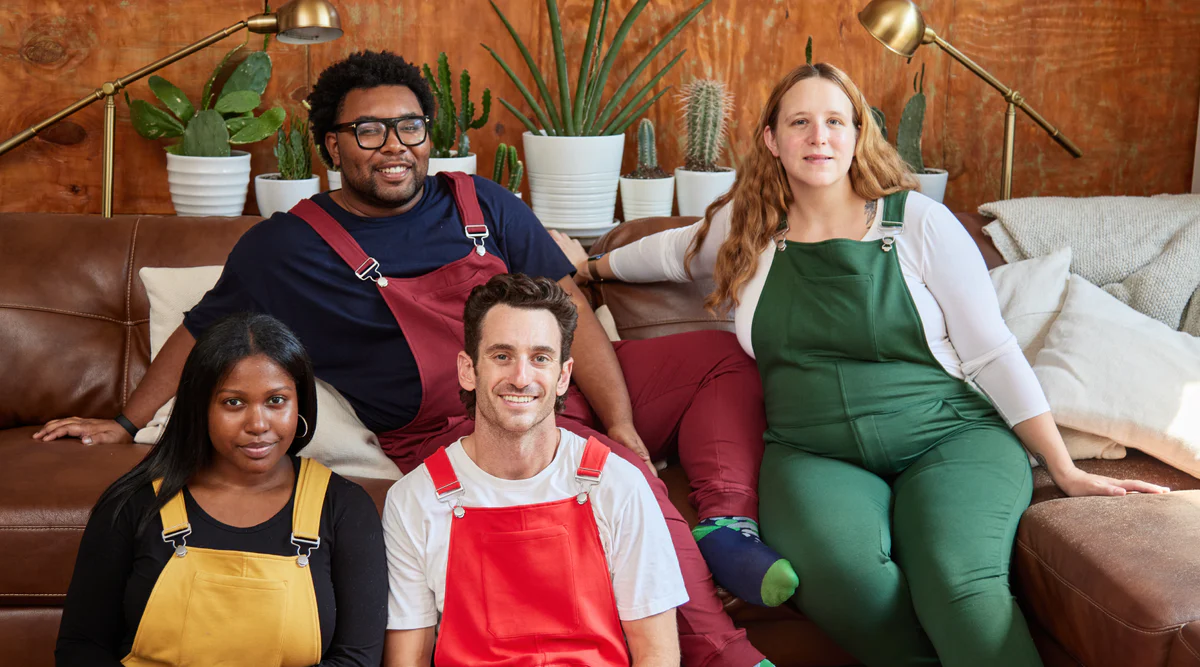
Swoveralls is a US-based apparel brand founded by Kyle Bergman in 2017, headquartered in Brooklyn, New York. Born out of Kyle's personal need for a product that simply didn't exist, sweatpants overalls.
Swoveralls is currently a 7-figure brand, with high confidence in reaching 8 figures within 24 months. 93% of revenue comes through DTC on Shopify. 6% via Amazon. 1% through custom wholesale and specialty orders.
In this case study, we'll break down exactly how Swoveralls built and scaled their UGC program, what their creator operations looked like before Refunnel, how they structured their reverse seeding campaign, the full funnel breakdown from outreach to content delivery, and the economics and paid media results that came out of it.
We sat down with Kyle for an hour and asked all the questions YOU might be asking yourself before choosing your creator management platform.
Who we talked with: Kyle Bergman | Founder & CEO @ Swoveralls
Before Refunnel
Before Refunnel, Swoveralls' creator and UGC operation was held together by spreadsheets and sheer willpower. Kyle had tried various creator marketplace tools, but none of them got to the root of the problem, everything still required heavy manual lifting from his team, nothing was centralized, and no platform could solve the hardest part: identifying which creators would actually be a good fit for the brand before wasting time and product on the wrong people.
Here's exactly what that looked like in practice:
The Outreach Process Was Entirely Manual
Every UGC campaign started the same way: someone on the team manually built a customer segment inside Klaviyo, wrote an outreach email, and blasted it to whoever fit the criteria. There was no automated follow-up, no qualification layer, and no way to know who was genuinely interested before sending products out. Kyle described it as a grind: "It was a very manual process. We had so many spreadsheets and it was really difficult."
Once someone responded saying they wanted to participate, the real chaos began. The team had to manually track every single person: who responded, who got approved, what product was being sent, whether it shipped, whether content was ever received. All of it lived across a tangle of spreadsheets with no single person having a complete picture at any given time.
Content Submission Was Disorganized and Inconsistent
There was no dedicated submission flow. Creators would film their content and then the team had to figure out where it went. Was it sent to an email? Uploaded somewhere? Great content was regularly getting buried in inboxes, missed entirely, or simply lost because there was no structured place for it to land.
And when content did come in, quality was wildly inconsistent. Because outreach was going to their full customer base with no real filtering, plenty of people signed up who had zero experience making content. Kyle was candid about it: "A lot of people suck at making content."
Some customers turned in genuinely great videos. Others sent in content that was completely unusable, so they were burning resources on submissions that would never see the light of day.
No Reporting, No Attribution, No Way to Measure ROI
Without a centralized system, there was no campaign-level reporting.
Kyle had no reliable way to answer basic questions:
- How many posts did we actually generate?
- What did it cost per piece?
- Which creators performed?
- Which angles drove results?
- Who should we work with again?
The data existed in fragments across spreadsheets, email threads, and platform exports, but it was never consolidated into anything actionable. That meant every campaign felt like starting from zero, because in many ways, it was.
Sampling Was Unstructured and Impossible to Scale
There was no structured flow for creators to select their product, no tracking of what was sent to whom, and no automated way to follow up when content didn't arrive. Fulfillment tracking, shipment confirmations, and content deadlines were all monitored manually and things regularly fell through the cracks.
Running the same program twice meant rebuilding everything from scratch. There was no template, no repeatable system, and no way to apply learnings from one campaign to the next. Each effort was essentially a one-off.
The Real Cost of Doing It Manually
The hidden cost wasn't just the time, it was everything they were missing
- Winning content that never got repurposed.
- High-performing creators who never got re-engaged.
- Ad-ready UGC that sat in an inbox instead of running as a paid creative.
- The manual process had a ceiling, and Swoveralls was already hitting it hard.
How They Used Refunnel
Refunnel became the central operating system for Swoveralls' entire creator and content engine. Instead of managing creators across spreadsheets, email threads, and disconnected tools, everything now runs from one dashboard.
5 Ways Swoveralls Uses Refunnel
1. Reverse Seeding Campaigns
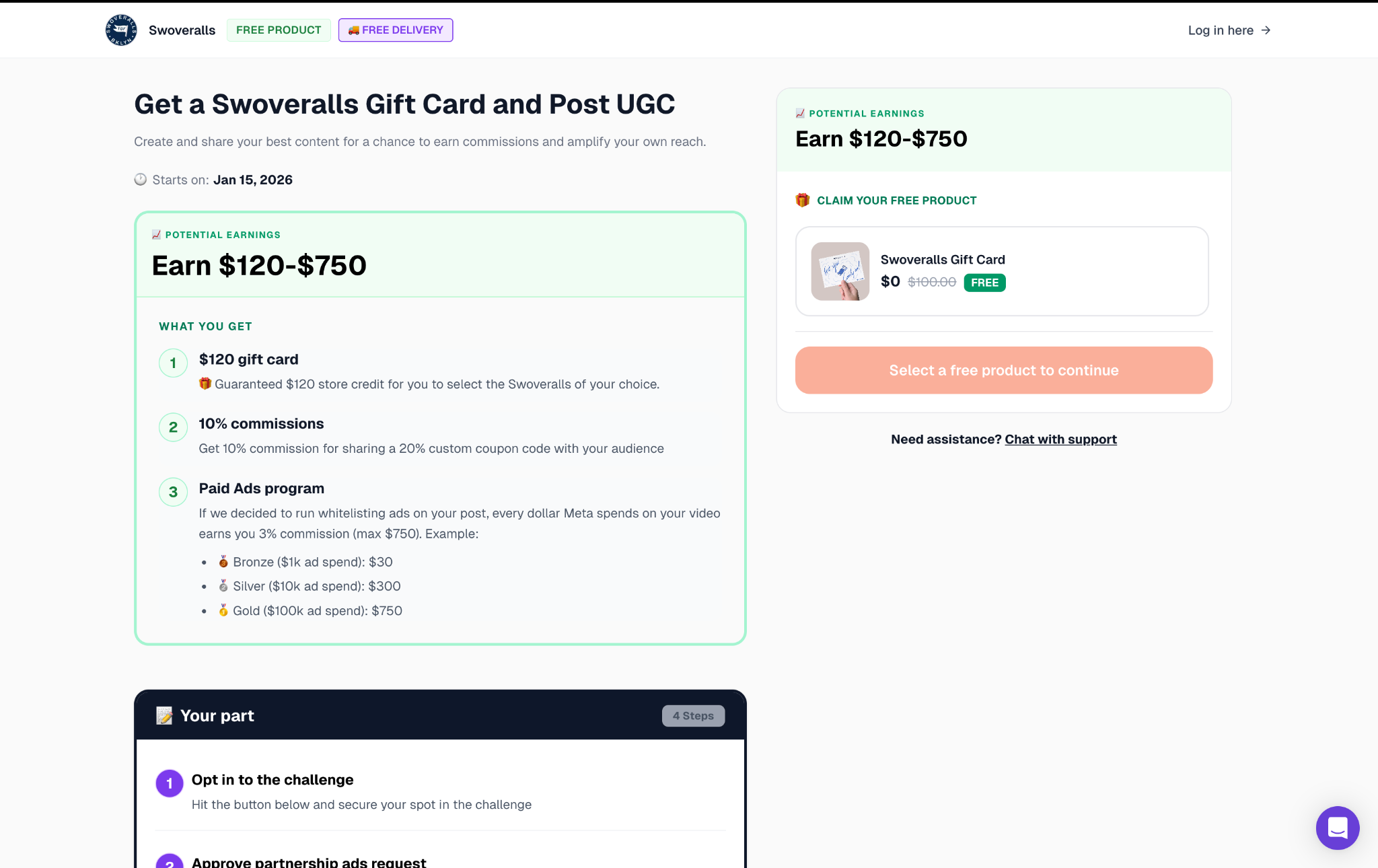
This is the program that changed everything for Swoveralls. The model is straightforward: creators receive $120 in Swoveralls store credit, and in exchange, they commit to filming a piece of UGC content.
No random SKU drops. Creators browse the store and choose what they actually want—which means the content they produce is genuinely authentic, not performative.
The entire program lives inside Refunnel. Invitations go out through the platform. Creators register, select their product, and agree to the brief, all in one flow.
2. Automated Customer Recruitment & Campaign Workflows
Instead of manually building Klaviyo segments and chasing down responses, Swoveralls sends their existing customers a link to their Refunnel campaign page.
From there, creators sign up and pick their product, all in one place.
Once they post their content on Instagram, Refunnel automatically pulls it in.
Every submission is logged, timestamped, and organized without anyone having to hunt for it. Kyle always knows exactly where every creator stands in the process, without having to dig through emails or cross-reference spreadsheets.
3. One-Click Whitelisting & Content Licensing
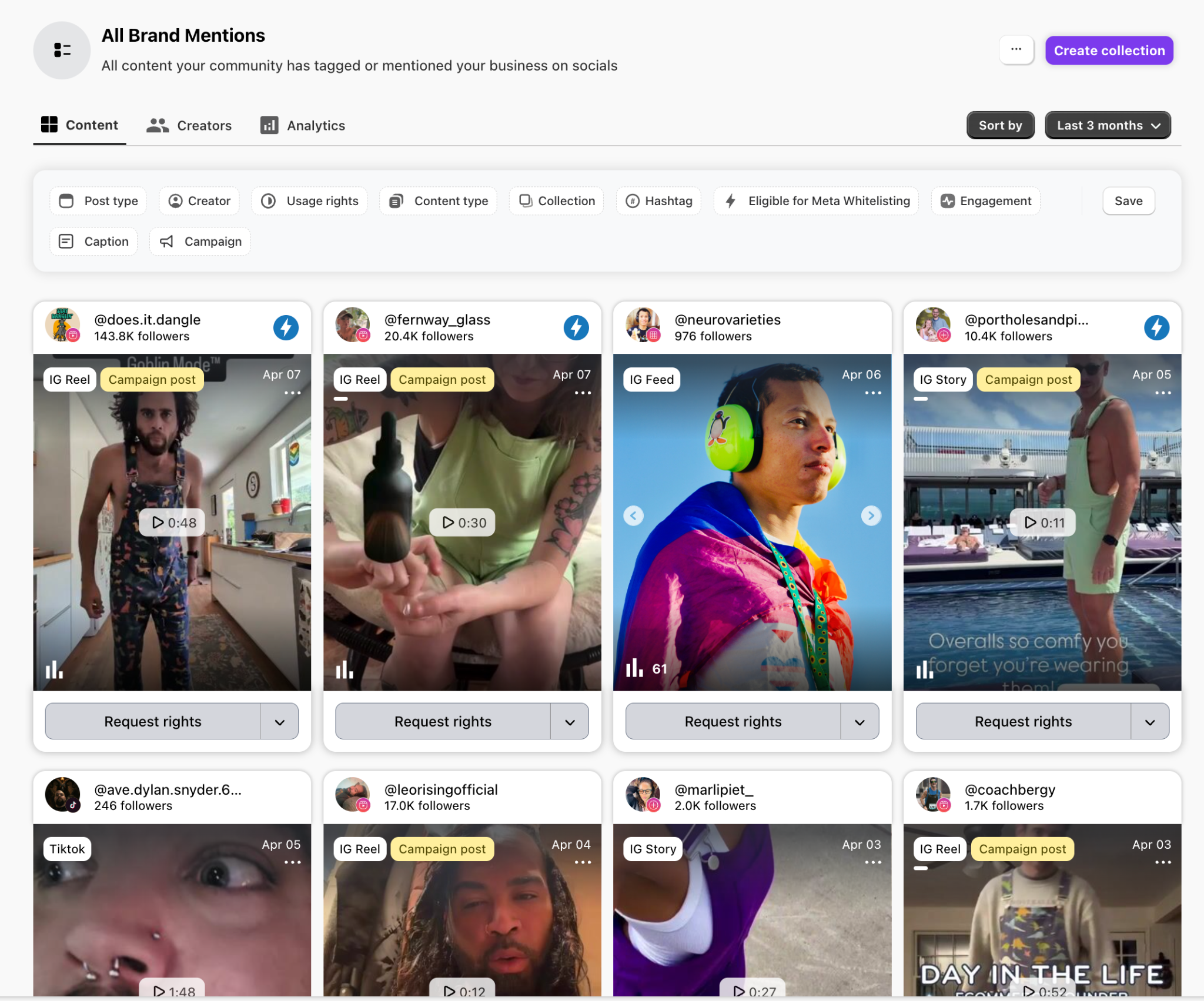
Refunnel's creator briefs capture broad content usage rights from the moment someone joins a campaign. So when a video starts performing, whether organically or as a potential paid asset, Kyle can request whitelisting directly inside the platform. No email threads. No back-and-forth.
The creator approves with a click, and the content is immediately cleared to run as a partnership ad. The gap between "this video is great" and "this video is live in our ad account" collapsed entirely.
The Results
The numbers tell a clear story. Swoveralls contacted 400 existing customers, 181 responded, 116 formally registered through the Refunnel campaign page, and those 116 creators collectively produced 195 posts, meaning a meaningful portion delivered more than one piece of content without being asked twice.
The all-in cost per post came out to $11.63, fully loaded, including product value and shipping.
That's what it cost Swoveralls to put a piece of brand-authentic content into the world, produced by a real customer who already loved the product.
Those 195 posts generated 1.1 million impressions and $34K in GMV across social platforms. Organic reach, driven entirely by real customers talking to their own audiences—no ad spend required to generate it.
The paid media impact was where the campaign really proved its value. Because all content submitted through Refunnel comes pre-cleared for usage rights, Kyle was able to pull the highest-performing videos and activate them as partnership ads almost immediately.
Those creatives went on to generate a cost per purchase of $31–$51, strong performance for a DTC apparel brand, and a direct return on a campaign that cost just over $11 per post to run.
.png)


Let's chat!
Join thousands of businesses already using our platform to manage their user-generated content and grow their brand.