Whitelisted Meta Ads: A Strategy for Better Results
Learn how to whitelist ads on Meta to boost campaign performance and reduce costs. This comprehensive guide covers setup, creator partnerships, optimization strategies, and measurement tactics. Discover why whitelisted ads achieve 30-50% lower CPM and higher engagement than branded content. Get actionable steps to leverage creator credibility for better ROI on Facebook and Instagram advertising campaigns.
Meta ad whitelisting allows brands to run paid advertisements through creator accounts rather than their own pages. When executed properly, whitelisting leverages creator credibility to drive better results than traditional branded advertising while reducing costs.
What Is Whitelisting for Meta Ads?
Whitelisting on Meta (Facebook and Instagram) means running paid ads through creator or influencer accounts. The content appears in users' feeds as coming from the creator themselves, maintaining authenticity while benefiting from paid distribution.
Creators grant your brand permission to run ads through their account. These ads display the creator's profile picture, name, and handle, building immediate trust with audiences who already follow or recognize them.
Unlike traditional influencer marketing where creators post organically and you hope for reach, whitelisting gives you control over budget, targeting, and duration while leveraging the creator's established credibility.
Why Whitelisting Improves Ad Performance
Users are getting tired. They’ll instinctively scroll past obvious or low-effort advertisements. Whitelisted content bypasses this mental filter by appearing as organic posts from trusted sources. But there are other ways whitelisting can improve your ads’ performances:
Improved Relevance Scores: Meta evaluates every ad based on relevance to the target audience. Whitelisted ads generate more positive engagement signals (saves, shares, meaningful comments) which Meta interprets as high relevance. This translates to lower costs and better placement.
Lower CPM and Better ROI: Higher relevance scores and better engagement mean direct cost savings. Brands report 30-50% CPM reductions with whitelisted creator content compared to traditional ads targeting the same audiences.
Extended Audience Reach: Whitelisted ads tap into audiences beyond your brand's existing followers. You gain access to the creator's follower base with the added credibility of their endorsement, reaching new people who already trust the voice delivering your message.
How to Whitelist Ads on Meta: Step-by-Step Guide
Step 1: Identify and Partner with Creators
Identify creators whose audiences align with your target demographic and whose content style matches your brand. We recommend focusing on micro-influencers (10k-100k followers) for initial tests as they often deliver better engagement rates at lower costs.
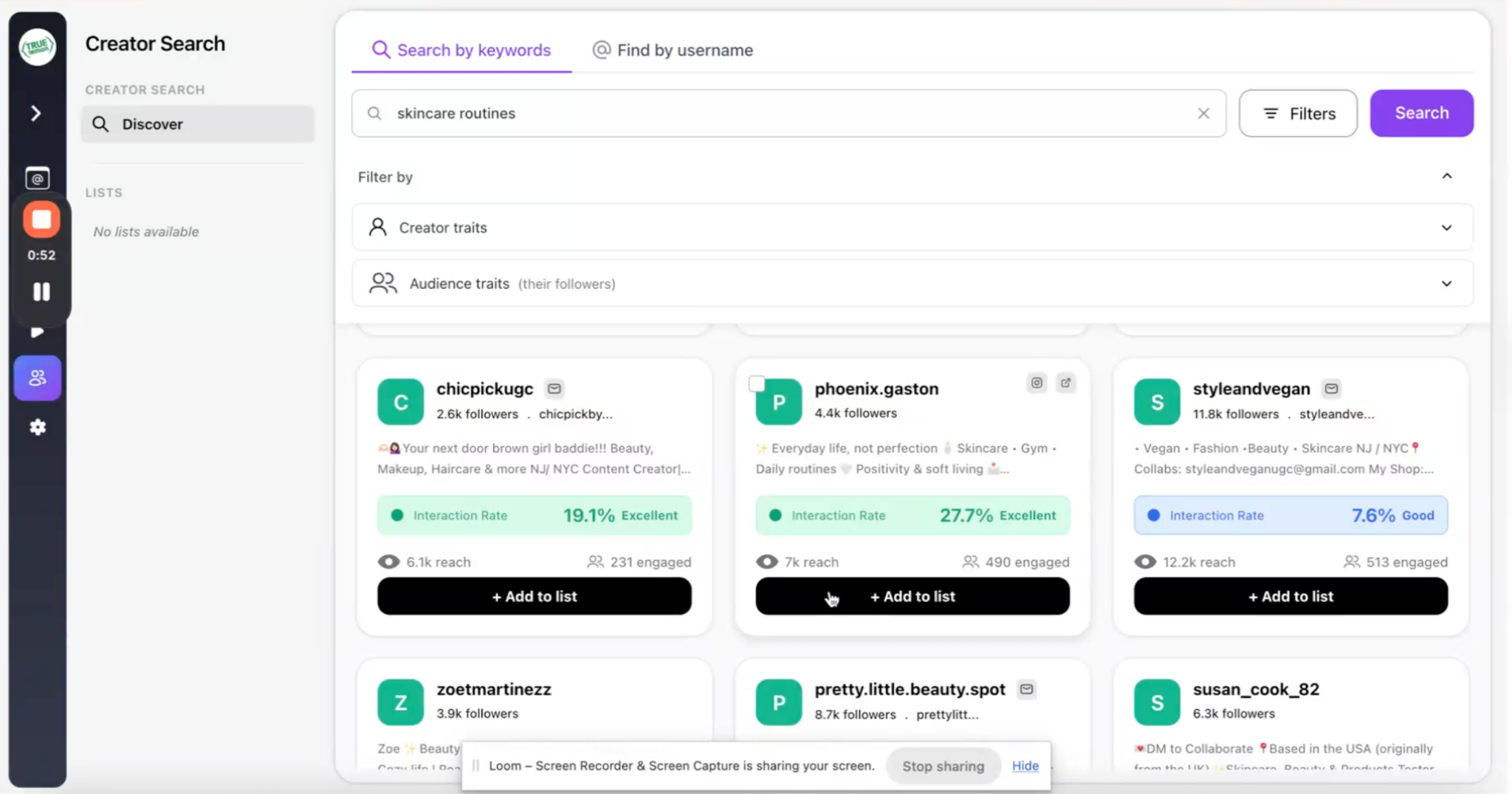
You can do this manually or with a creator search tool. Refunnel’s Creator Search streamlines this process by filtering out by industry, audience demographic, and even creator traits.
Be transparent about whitelisting goals. Explain you want to run paid ads through their account and outline compensation. Typical structures include flat fees for access plus performance bonuses.
Step 2: Request Access to Creator Accounts
In the Meta Business Suite, request access to your creators by going into the Brand Collabs Manager.
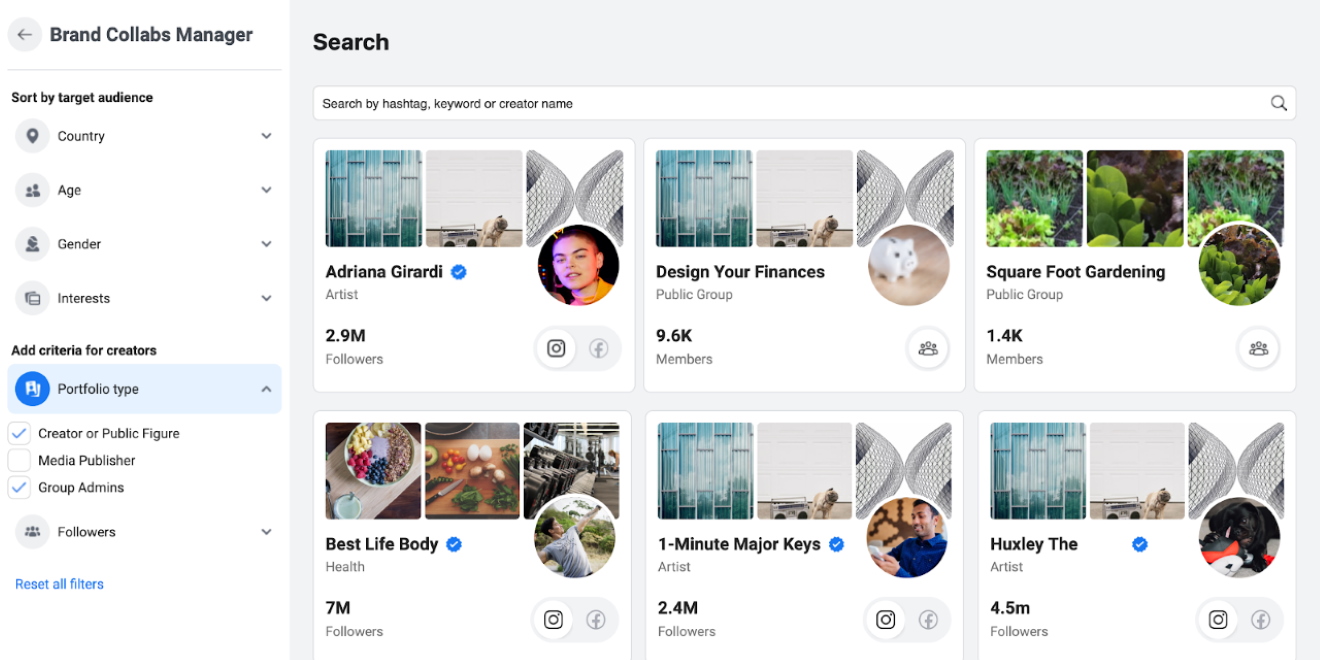
Look for the creator and send them their partnership invitation, and wait for them to accept. Once they do, you finally gain to run ads through their account.
You could also shorten this process to just 2 clicks with Refunnel. Simply find the piece of content you like, and request whitelisting rights.

Step 3: Create Content for Whitelisted Meta Ads
Work with creators to develop content specifically for whitelisted campaigns. Maintain the creator's authentic voice while clearly showcasing your product. Avoid overly scripted messaging.
Top-performing formats include product demonstrations, unboxing videos, before-and-after comparisons, lifestyle integration, and tutorials.
Step 4: Set Up Your Campaign in Meta Ads Manager
1. Create new campaign and select objective (typically Conversions or Traffic)
2. Define target audience, budget, and placements at ad set level
3. Select "Use Existing Post" and choose creator content
4. Configure ad creative with headline, description, and CTA
5. Ensure targeting excludes audiences already seeing organic creator content
6. Launch and monitor initial performance closely
Step 5: Monitor and Optimize Performance
Whitelisted campaigns require active monitoring. Track performance daily during the first week to identify issues early, then review at least twice weekly for optimization opportunities.
Click-through rate (CTR): Benchmark against your branded content to measure relative performance. Whitelisted ads should achieve higher CTR.
Cost per click (CPC): Watch for decreases compared to standard campaigns. Successful whitelisting typically reduces CPC by 20-40%.
Conversion rate: Track whether whitelisted traffic converts at higher rates than branded traffic. Higher conversion rates indicate better audience-message fit.
Relevance score: Aim for scores of 7+ to maintain cost efficiency. Scores below 6 signal the need for creative or targeting adjustments.
Return on ad spend (ROAS): Calculate total revenue divided by total ad spend. Target minimum 3:1 ROAS for sustainable scaling.
If performance underperforms expectations, test different creators, adjust targeting parameters, or modify creative elements before abandoning whitelisting entirely.
Best Practices for Meta Ads Success
Relevance matters more than reach. A fitness creator promoting athletic wear outperforms a beauty creator promoting the same products, even with a smaller following. As such there are other best practices you should keep in mind when whitelisting ads:
Create Exclusive Content: Content developed specifically for whitelisted ads typically delivers better results than repurposed organic posts. Exclusive content also prevents ad fatigue from audiences who've already seen it organically.
Test Multiple Creators Simultaneously: Run tests with 3-5 creators to identify top performers quickly. This reveals which creator styles, content formats, and audience segments respond best.
Segment Audiences to Prevent Overlap: Exclude creator followers from paid targeting to prevent audience fatigue. Focus whitelisted campaigns on cold audiences who need the credibility boost most.
Maintain Creator Authenticity: Provide product information and brand guidelines, then trust creators to communicate in their authentic voice. Over-controlling content kills the authenticity that makes whitelisting effective.
Negotiate Clear Rights and Usage Terms: Establish agreements about content ownership, usage rights, and campaign duration before launching. Document what happens to ads after partnerships end.
Common Whitelisting Mistakes to Avoid with Meta Ads
On the other hand, there are some mistakes and common pitfalls you need to avoid when looking at creators, making the content, and running the ads:
Insufficient Creator Vetting: Review past content, audience demographics, and engagement patterns before establishing partnerships. Look for red flags like sudden follower spikes, extremely low engagement, or past controversies.
Ignoring Audience Overlap: Running whitelisted ads to people who already follow the creator organically wastes budget. Always exclude creator followers from paid targeting.
Poor Performance Tracking: Without proper tracking, you can't determine if whitelisting outperforms standard campaigns. Implement conversion tracking and compare against branded campaign benchmarks.
Over-Controlling Content: Insisting creators follow exact scripts destroys authenticity. Trust creators to know their audience.
Neglecting Creator Relationships: Treating creators as vendors damages long-term success. Maintain communication, share performance results, and recognize top performers.
Scaling Your Whitelisting Strategy
Once you've proven effectiveness, you can scale strategically:
Build a Creator Network: Develop relationships with 10-20 creators across different niches. Platforms like Refunnel help discover creators already posting about your products organically, or other creators in your niche with the new creator search.
Automate Usage Rights Management: As your network grows, manual permission tracking becomes unsustainable. Refunnel's automated rights management ensures you never lose track of permissions or accidentally use content beyond agreed terms.
Create Performance Tiers: Segment creators based on whitelisted ad results. Allocate more budget to top performers while testing new potential partners with smaller budgets.
Integrate with Broader Marketing: Feature top-performing whitelisted content on product pages for social proof. Include creator videos in email campaigns. Use insights from whitelisted campaigns to inform organic content strategy.
Tools and Resources for Whitelisting
Meta Business Suite: Foundational tool for managing whitelisted campaigns. Provides access to Ads Manager, Brand Collabs Manager, and campaign analytics.
Refunnel: Purpose-built for brands managing creator relationships at scale. Automatically captures content from creators posting about your products, streamlines rights acquisition with one-click approvals, and tracks performance across all creator content. Makes activating top-performing creator content in paid campaigns simple.
Creator Discovery: Refunnel's creator search (currently in beta now!) automatically identifies creators already posting about your brand on TikTok and Instagram, providing a qualified pool of potential whitelisting partners.
Closing Thoughts
By combining creator credibility and paid distribution, your brand can achieve results that neither traditional influencer marketing nor branded advertising can match by themselves.
Start small, by launching with 2-3 creator partnerships, allocate $1,000-3,000 test budget, and run campaigns for at least two weeks to gather meaningful data.
Compare whitelisted performance directly against branded campaigns targeting the same audiences. Use concrete metrics to guide scaling decisions.
As you prove effectiveness, systematically expand your creator network and implement tools that make whitelisting manageable at scale. Platforms like Refunnel turn whitelisting from a manual process into a scalable growth engine.
The brands seeing best results prioritize authentic creator relationships, invest in proper tracking and optimization, and integrate whitelisted content into broader marketing strategies rather than treating it as a standalone tactic.
Frequently Asked Questions
What does whitelisting mean for Meta ads?
Whitelisting on Meta allows brands to run paid advertisements through creator or influencer accounts rather than their own brand pages. The creator grants permission for your brand to promote content using their profile, so ads appear to come from the creator themselves.
This maintains authenticity while providing the control and scale benefits of paid advertising. The technical process involves the creator granting specific permissions through Meta's Business Partners system or Brand Collabs Manager, allowing your brand to select their content and run it as paid ads to targeted audiences.
How does whitelisting improve ad performance?
First, content from trusted creators generates higher engagement than branded content because consumers view it as more authentic. This increased engagement signals to Meta's algorithm that the content is relevant, improving your relevance score and reducing costs.
Second, whitelisted ads bypass ad fatigue by appearing as organic creator content rather than obvious advertisements. Third, you gain access to the creator's credibility and audience trust, making viewers more receptive to your message. Brands typically see 30-50% lower CPM and 1.5-3x higher click-through rates with whitelisted content compared to standard branded ads.
What's the difference between whitelisting and blacklisting on Meta?
Whitelisting grants creators permission to run ads through your brand account or your brand permission to run ads through creator accounts. Blacklisting refers to excluding specific placements, audiences, or content types from seeing your ads.
While whitelisting is about partnerships and content amplification, blacklisting is a targeting exclusion strategy. You might blacklist certain websites from showing your ads or blacklist audience segments you don't want to reach. These are complementary, and should be used in tandem. You can whitelist creator content while blacklisting certain placements or audiences to optimize campaign performance.
Can I whitelist ads for multiple campaigns simultaneously?
Yes, you can run multiple whitelisted campaigns simultaneously across different creators, products, or audience segments. This is actually recommended for scaling whitelisting effectively. Running parallel campaigns lets you test which creators drive the best results, compare performance across different products, and reach various audience segments without overlap.
The key is maintaining organized tracking so you can attribute performance to specific creator-product-audience combinations. Using campaign naming conventions and proper tracking parameters ensures you can analyze results across multiple simultaneous campaigns.
How long does it take to see results from whitelisting?
Initial performance indicators appear within 24-48 hours of launching whitelisted campaigns. You'll see early metrics like CTR, CPC, and engagement rates that indicate whether the content resonates.
However, meaningful results that inform strategic decisions typically require 7-14 days of data collection. This allows Meta's algorithm to optimize delivery and provides enough data to calculate reliable conversion rates and ROAS. If you're testing whitelisting for the first time, plan for a minimum two-week test period with a budget large enough to generate at least 50 conversions for statistically significant results.
What metrics should I track after whitelisting my ads?
Track both performance metrics and relationship metrics. Key performance metrics include click-through rate (benchmark: 1-2% for cold traffic, higher for retargeting), cost per click (target 20-40% reduction versus branded ads), conversion rate (track versus branded content baseline), return on ad spend (minimum 3:1 for sustainable scaling), and relevance score (target 7+ out of 10).
Also monitor creator relationship metrics like content production rate, audience overlap percentage, and partnership satisfaction. Advanced tracking should include multi-touch attribution to understand how whitelisted touchpoints influence customers who convert through other channels later in their journey.
Are there any risks to whitelisting ads on Meta?
Whitelisting carries some risks that proper vetting and clear agreements can mitigate. The primary risk is brand safety, if a creator posts controversial content or becomes involved in a scandal, that can reflect poorly on your brand since you're actively running ads through their account. This makes creator vetting essential.
There's also the risk of audience fatigue if you over-saturate a creator's followers with paid content, or if targeting overlaps too heavily with their organic reach. Financial risk exists if you don't track performance properly and continue investing in underperforming partnerships.
Finally, there's relationship risk if expectations around compensation, content rights, or campaign duration aren't clearly documented upfront. Mitigate these risks through thorough creator vetting, clear contractual agreements, proper audience exclusions, and systematic performance tracking.
How often should I review and adjust my whitelisted ads?
Monitor whitelisted campaigns daily during the first week to catch any issues early. After the initial launch period, review performance at least twice weekly to identify optimization opportunities.
Key triggers for adjustments include declining relevance scores (drop below 6), increasing costs (CPC or CPM rising 20%+ above baseline), dropping conversion rates, ad fatigue signals (declining CTR over time), or creative exhaustion (same content running 3+ weeks). Monthly reviews should assess overall creator performance, budget allocation across partnerships, and strategic alignment of whitelisting within your broader marketing mix.
Use these monthly reviews to decide which creators deserve expanded budgets, which partnerships to pause, and what new creators to test. The most successful whitelisting programs treat optimization as ongoing rather than set-and-forget.
Let's chat!
Join thousands of businesses already using our platform to manage their user-generated content and grow their brand.